
Sustainable Materials and Eco-Friendly Practices
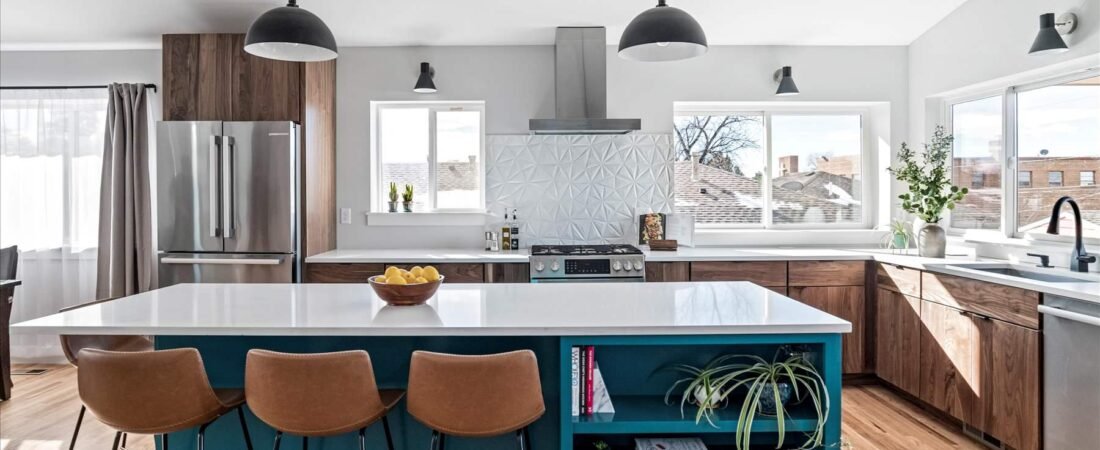
As we progress into 2025, the significance of sustainability becomes increasingly apparent in kitchen design and construction. Homeowners are now prioritizing eco-friendly options and materials that contribute positively to the environment. This shift is reflected in the growing popularity of sustainable materials, such as recycled resources, bamboo, and low-VOC (volatile organic compounds) finishes, which promote healthier living spaces. These materials are not only beneficial for the planet but also offer unique aesthetic qualities that can enhance the overall look of a kitchen.
The use of recycled materials, for instance, has gained momentum in recent years. Homeowners are increasingly sourcing countertops, cabinets, and flooring made from reclaimed resources. These products not only reduce waste by repurposing materials but also introduce character and charm to the kitchen space. Bamboo, a renewable resource that grows rapidly and requires minimal chemical treatments, has also emerged as a favored choice due to its durability and sustainability. Its unique grain patterns and natural predisposition to resist moisture make it an exceptional option for various kitchen applications.
Additionally, the importance of low-VOC finishes cannot be understated. Traditional paints and finishes can release harmful chemicals into the air, contributing to poor indoor air quality. Consumers are now opting for low-VOC products that allow for a safer environment while maintaining aesthetic appeal. Such choices reflect a broader societal shift toward environmental responsibility as individuals become more conscious of their impact on the planet.
This growing trend in sustainable kitchen practices is also influencing manufacturers to embrace greener production methods. As more consumers demand eco-friendly options, companies are responding by aligning their practices with these expectations. Thus, the future of kitchen design is not only about aesthetics but also about making responsible choices that advocate for a sustainable living environment.


Smart Technology Integration
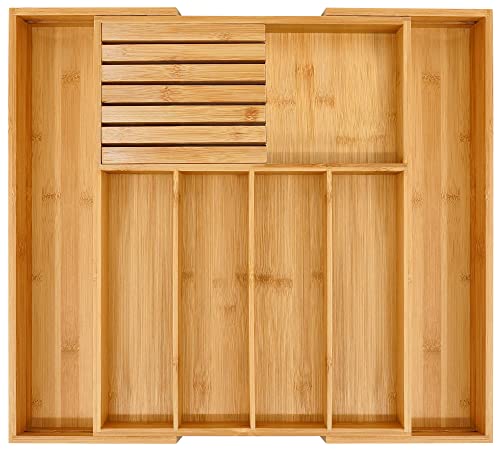
The kitchen of 2025 is poised to be fundamentally transformed by smart technology integration, revolutionizing the way people engage in meal preparation and cooking. With the advent of smart refrigerators that can monitor food inventories, suggest recipes, and even create grocery lists, homeowners are experiencing unprecedented convenience. These intelligent appliances utilize advanced sensors and connectivity to support an organized and efficient kitchen environment.
Voice-activated appliances are also gaining momentum, allowing users to control various kitchen devices hands-free. By simply issuing verbal commands, individuals can adjust cooking temperatures, set timers, or even initiate cooking processes without the need to touch panel controls. This seamless interaction enhances culinary efficiency, especially for those engaged in multitasking or managing family life. The integration of smart speakers within the kitchen has further amplified this experience, providing recipe guidance and playing music to create an enjoyable atmosphere while cooking.
Additionally, the emergence of automated cooking systems represents a significant leap forward. These systems are designed to take the guesswork out of food preparation, with many featuring pre-set cooking functions that adjust timing and temperatures for optimal results. Some products even come equipped with AI technology that learns user preferences and cooking habits, thereby personalizing each cooking experience. Innovations such as these are not only increasing convenience but also minimizing food waste by promoting proper portion sizes and cooking methods.
As we look toward the future, it is evident that the trend towards smart technology integration in the kitchen will continue to evolve. Emerging technologies such as connected ovens, advanced dishwashers, and smart kitchen islands are likely to enhance energy efficiency further, contributing to sustainable home practices. The integration of technology will redefine the kitchen experience—making it more intuitive, efficient, and enjoyable for all home chefs.

Open and Multi-Functional Spaces
The trend towards open and multi-functional kitchen spaces has gained remarkable momentum, reflecting a shift in how we utilize our homes. As families seek to create environments that foster social interaction and streamline daily activities, the design of kitchens has evolved significantly. Open-concept designs facilitate a seamless flow between cooking, dining, and living areas, encouraging more time spent together and fostering connections among family members.
One of the key features that exemplifies this trend is the kitchen island. Serving as both a workstation and a social hub, kitchen islands offer added functionality with seating options that invite casual dining and conversation. This versatility enhances the kitchen’s role as the heart of the home, allowing for multi-tasking and accommodating various needs, from meal prep to family gatherings.
Moreover, the layout of modern kitchens is increasingly designed with flexibility in mind. For example, areas dedicated to cooking can transition to dining spaces, ensuring that a single area caters to multiple activities without feeling cramped. This open flow not only maximizes space but also promotes a sense of community, as individuals can engage with one another regardless of their tasks.
In addition, innovative space-saving solutions play a vital role in promoting multi-functionality in kitchen areas. From hidden storage options to foldable tables, these design elements aim to reduce clutter while enhancing accessibility. As many kitchens now serve as multifunctional spaces, they are designed to adapt to different occasions, whether it is a busy weekday breakfast or a festive holiday meal.
This trend resonates deeply with contemporary lifestyles, wherein moments spent together hold immense value. As kitchens evolve into open and multi-functional spaces, they not only reflect modern aesthetics but also cater to the changing dynamics of family life, reinforcing the idea that the kitchen remains the central gathering point within any home.


Color Trends and Aesthetic Choices
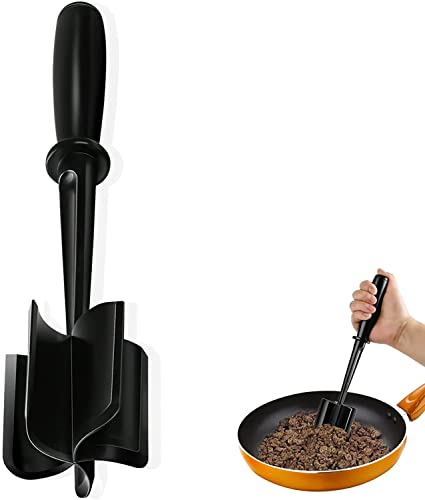
As we look ahead to 2025, the kitchen continues to evolve as a focal point in home design, with color trends playing a pivotal role in shaping its aesthetic. Emerging color palettes reflect a blend of bold hues and warm earth tones, each contributing to an inviting atmosphere while also expressing personal style. Bold, vibrant colors are making a significant comeback, with shades such as deep teal, rich burgundy, and bright mustard yellow catching the eye. These tones create striking contrasts and can serve as accent features within a predominantly neutral kitchen. On the other hand, soft and grounding earth tones, such as terracotta, olive, and sandy beige, are favored for their capacity to instill a soothing ambiance, making kitchens feel more connected to nature.
Beyond mere colors, the integration of unique combinations is trending, emphasizing the importance of color selection in crafting a personalized aesthetic. Pairing bold colors with softer shades or contrasting materials can create visual interest while maintaining harmony. For instance, a vibrant backsplash can pop against muted cabinetry, fostering a lively yet cohesive design. Additionally, the increasing popularity of mixed materials and finishes enhances this approach. By combining textures such as matte surfaces with glossy accents or wooden cabinetry with metal fixtures, homeowners can achieve depth and complexity in their kitchen environments.
To attain a well-coordinated look, it is essential to adopt thoughtful design strategies. Start by selecting a dominant color that aligns with personal taste and then build around it with complementary shades. Incorporate various finishes to enhance visual texture while ensuring that all elements resonate with the overall theme. Ultimately, the color choices in a kitchen not only shape its appearance but significantly influence the mood and functionality of the space, making 2025 an exciting year for kitchen design enthusiasts.


